

Navigating the CMMC 2.0 Audit Process
.png?width=350&height=350&name=CMMC%20Web%20Page%20Section%20Graphics%20(3).png "Your Guide to Excelling in the CMMC 2.0 Audit Process")
CMMC 2.0 Audit Process
The audit process is a critical step for any organization seeking certification under the Department of Defense’s (DoD) Cybersecurity Maturity Model Certification (CMMC) framework. Understanding what to expect and preparing adequately can ensure a smooth path to certification.
What to Expect During a CMMC 2.0 Audit
The CMMC 2.0 audit is designed to verify your organization's adherence to the cybersecurity standards outlined by the DoD, particularly those based on NIST SP 800-171 for Level 2 and NIST SP 800-172 for Level 3. If your organization handles Controlled Unclassified Information (CUI) or Federal Contract Information (FCI), you'll need to undergo an audit conducted by a Certified Third-Party Assessor Organization (C3PAO).

Here's what you can expect:
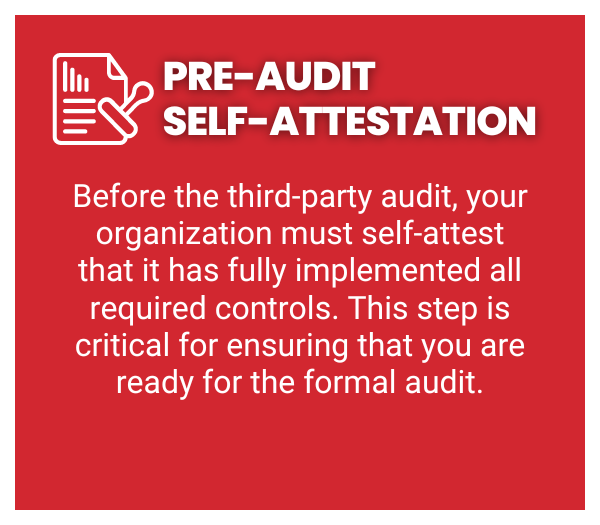
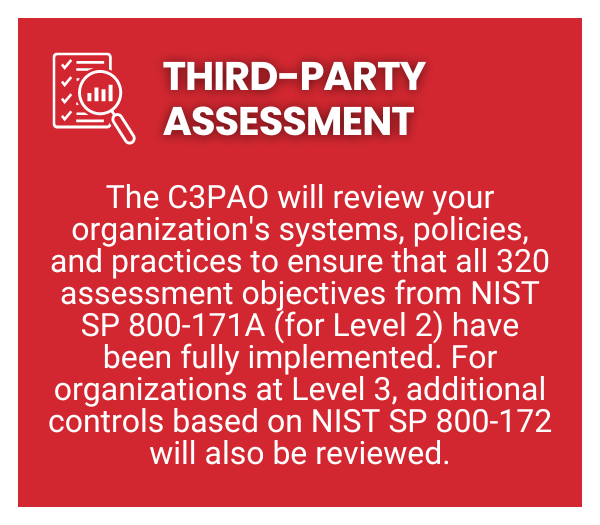
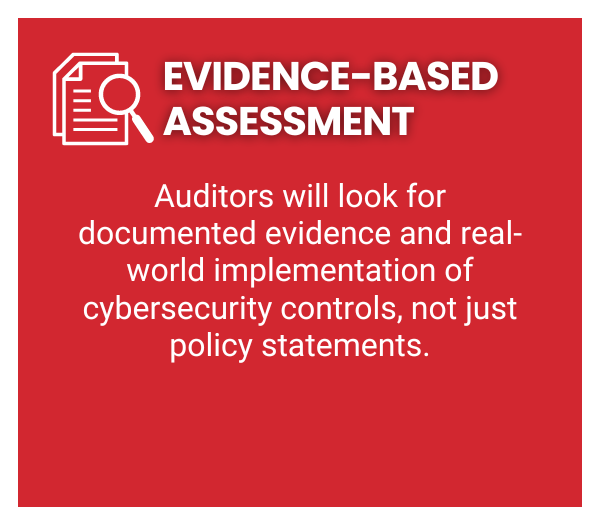
The timeline for completing a CMMC audit can vary based on the complexity of your systems and the scope of the audit, but proactive preparation can significantly streamline the process.
Key Documentation and Evidence Auditors Will Look For
During the audit, the C3PAO will require detailed documentation and real-time evidence of your organization’s cybersecurity posture. The following are key items that auditors typically look for:
- System Security Plan (SSP): The SSP is the cornerstone of your cybersecurity documentation, outlining how your organization addresses each of the NIST SP 800-171 or 800-172 controls. It should be detailed, accurate, and up-to-date.
- Plan of Action and Milestones (POA&M): The POA&M outlines any gaps or areas of non-compliance that your organization is actively addressing. While CMMC 2.0 is less lenient on allowing POA&Ms, it’s still a valuable tool for demonstrating awareness of areas requiring improvement.
- Incident Response Plan: This plan details how your organization responds to cybersecurity incidents. Auditors will want to see clear protocols for detecting, reporting, and mitigating potential breaches.
- Policies and Procedures: Clear and well-documented policies around access control, encryption, network security, and data handling will be essential evidence during the audit.
- Security Awareness Training Records: Auditors will check for evidence that your team has undergone regular cybersecurity training, as required under CMMC Level 1 and Level 2.
- Audit Logs and Monitoring Tools: Your organization must provide logs from monitoring tools that demonstrate proactive tracking and responding to potential security incidents.
How MAD Security Helps in Audit Preparation, Readiness, and Response
At MAD Security, we specialize in helping organizations navigate the complexities of CMMC 2.0. From initial gap assessments to full-scale audit preparation, our team ensures that your business is ready for the certification process. Here’s how we support you:
- Gap Assessments: We conduct thorough assessments to identify areas where your organization may fall short of certification requirements. This allows you to address potential weaknesses before entering the audit phase.
- System Documentation Assistance: We help create and refine critical documents such as the System Security Plan (SSP), Incident Response Plans, and other essential policies to ensure they meet certification standards.
- Mock Audits: MAD Security offers mock audits that simulate the actual audit process. This gives you a clear idea of what to expect and allows us to identify any last-minute adjustments needed for a successful audit.
- Continuous Monitoring and Support: We provide continuous monitoring solutions that help maintain compliance post-audit. This includes assisting in annual self-attestations and ensuring your security controls remain fully implemented year-round.
- Audit Response Services: If gaps are identified during the formal audit, MAD Security offers guidance on how to address those deficiencies quickly to avoid certification delays.
Common Audit Pitfalls and How to Avoid Them
Many organizations face challenges during the audit due to insufficient preparation or misunderstandings about the requirements. Here are some common pitfalls and how to avoid them:
- Incomplete Documentation: One of the most common reasons organizations fail audits is the lack of detailed and up-to-date documentation. Make sure your System Security Plan (SSP) and other key documents are comprehensive and current.
- Over-Reliance on Policies: While documented policies are important, certification auditors are focused on real-world implementation. Ensure that your security measures are not only written down but actively practiced across your organization.
- Delayed Action on Non-Compliance: Waiting until the last minute to address compliance gaps can put your organization at risk of failing the audit. Regular gap assessments and proactive remediation are crucial.
- Inadequate Staff Training: Failing to provide consistent, documented cybersecurity training for employees can lead to non-compliance. Make cybersecurity awareness a priority and document all training efforts.
- Poor Incident Response Protocols: Having an incident response plan is not enough—it needs to be tested and proven effective. Auditors will look for evidence that your organization can respond quickly and effectively to threats.
Navigating the CMMC 2.0 audit process requires thorough preparation, complete documentation, and proactive management of cybersecurity controls. With the support of MAD Security, you can ensure your organization is fully prepared for the audit, avoid common pitfalls, and achieve compliance with CMMC 2.0 requirements. Contact us today to begin your journey toward certification and secure your place in future DoD contracts.
Ready to streamline your path to
CMMC compliance with a trusted partner?
WE'RE HERE TO ANSWER ANY QUESTIONS YOU MIGHT HAVE AND GUIDE YOU ON YOUR CYBERSECURITY JOURNEY.